Blog
Notes from the loop.
Working notes from the GRØNBLÅ team, the science of PLA, what we're seeing in the compost machine at Parken, and why we think circular thinking matters more than the material itself.

Working notes from the GRØNBLÅ team, the science of PLA, what we're seeing in the compost machine at Parken, and why we think circular thinking matters more than the material itself.
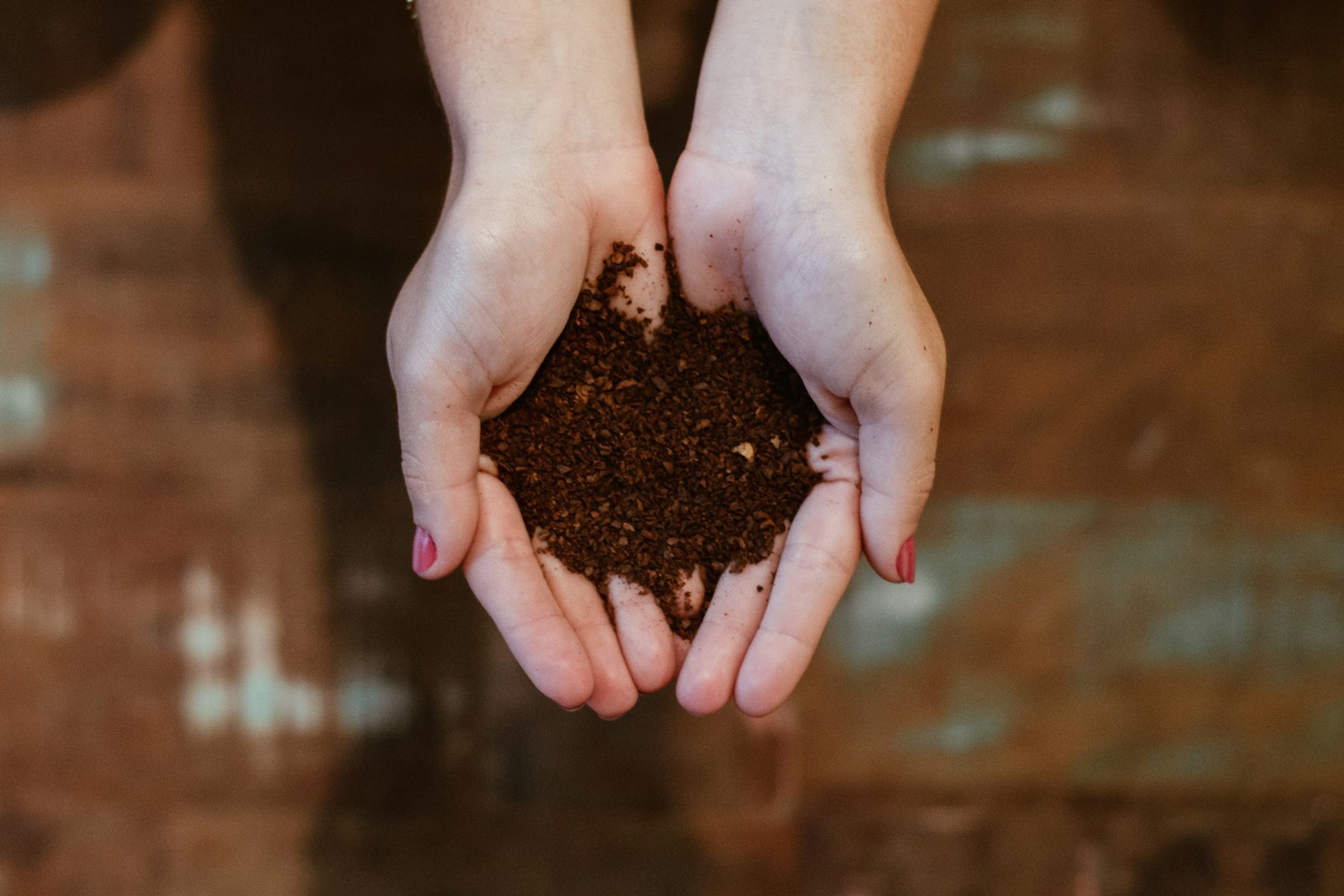
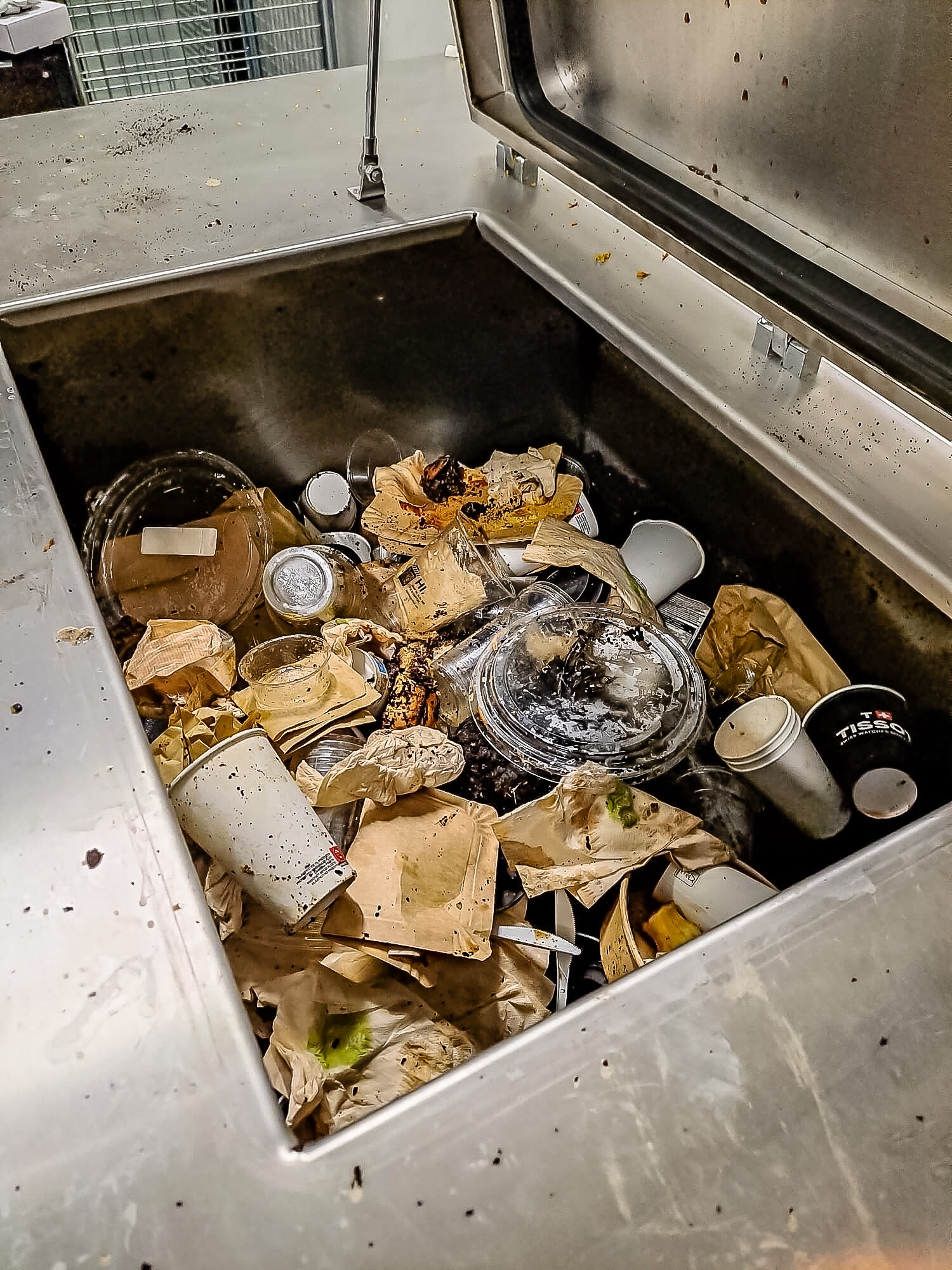
If you're staring at E5-3 wondering where the numerator comes from, this is the working answer. The numerator, the denominator, what the auditor will ask, and the data pack to demand from your vendor.
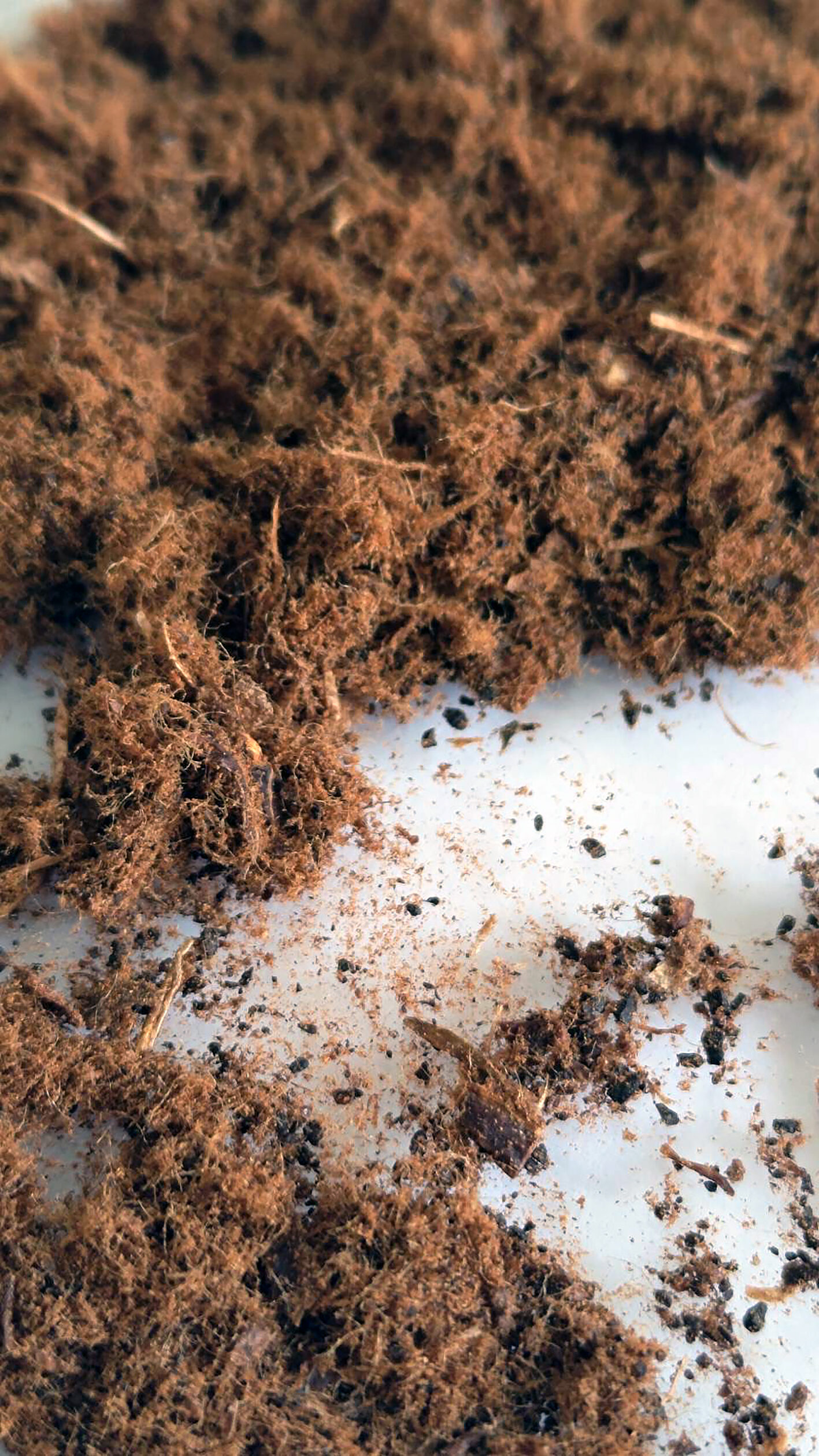
What the matchday compost cycle at Parken actually looks like from the back-of-house. 04:30 to last whistle. Less drama than you might think, which is the point.
The EU packaging rules are tightening. Two regulations matter for venues. What they actually require, what they don't, and what to put on the roadmap in the next 12 months.
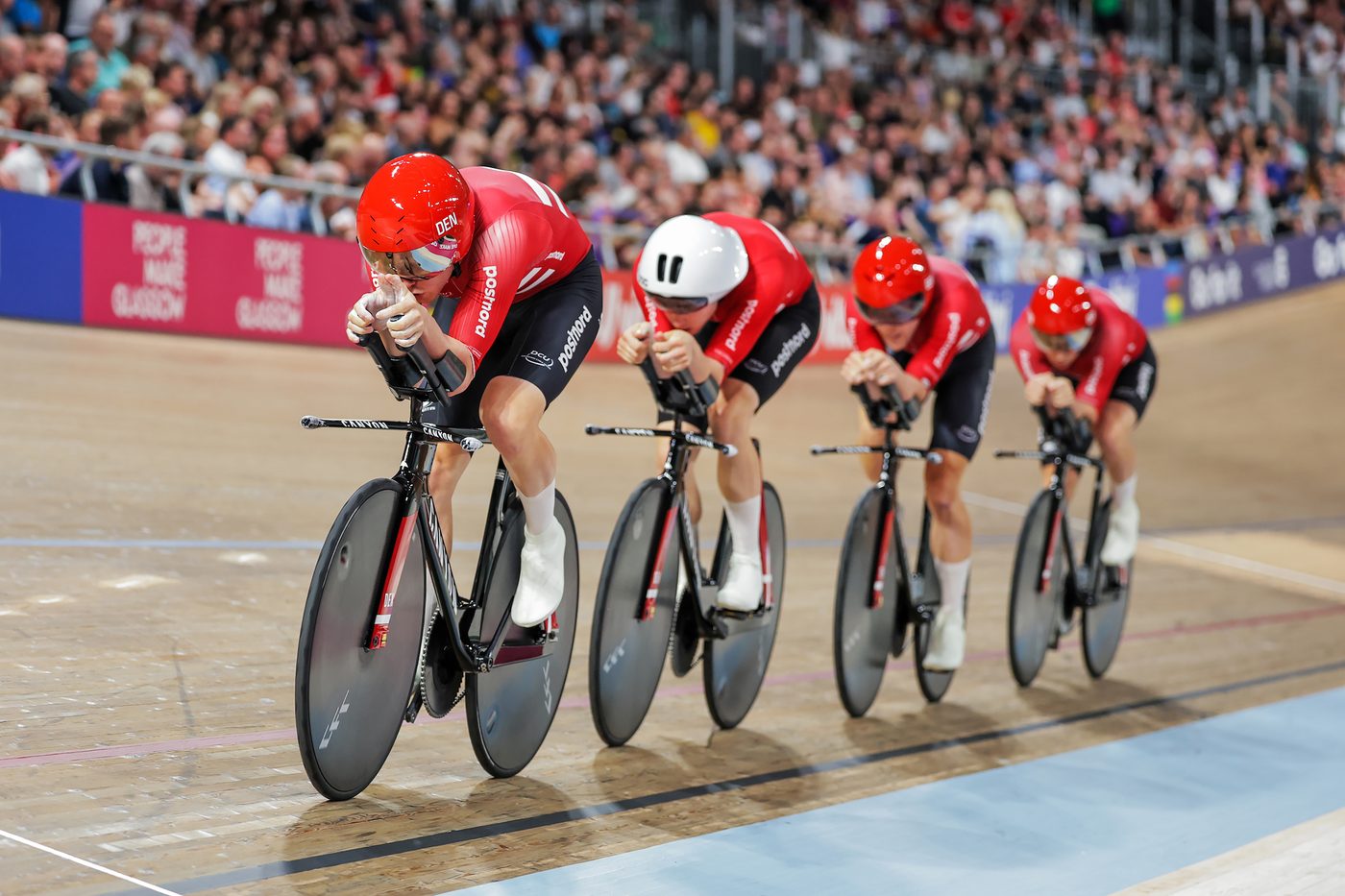
Behind-the-scenes look at the 2024 Tissot UCI Track Cycling World Championships, five days, 12,500 spectators per session, one green bin. What worked, and what we changed for Parken.
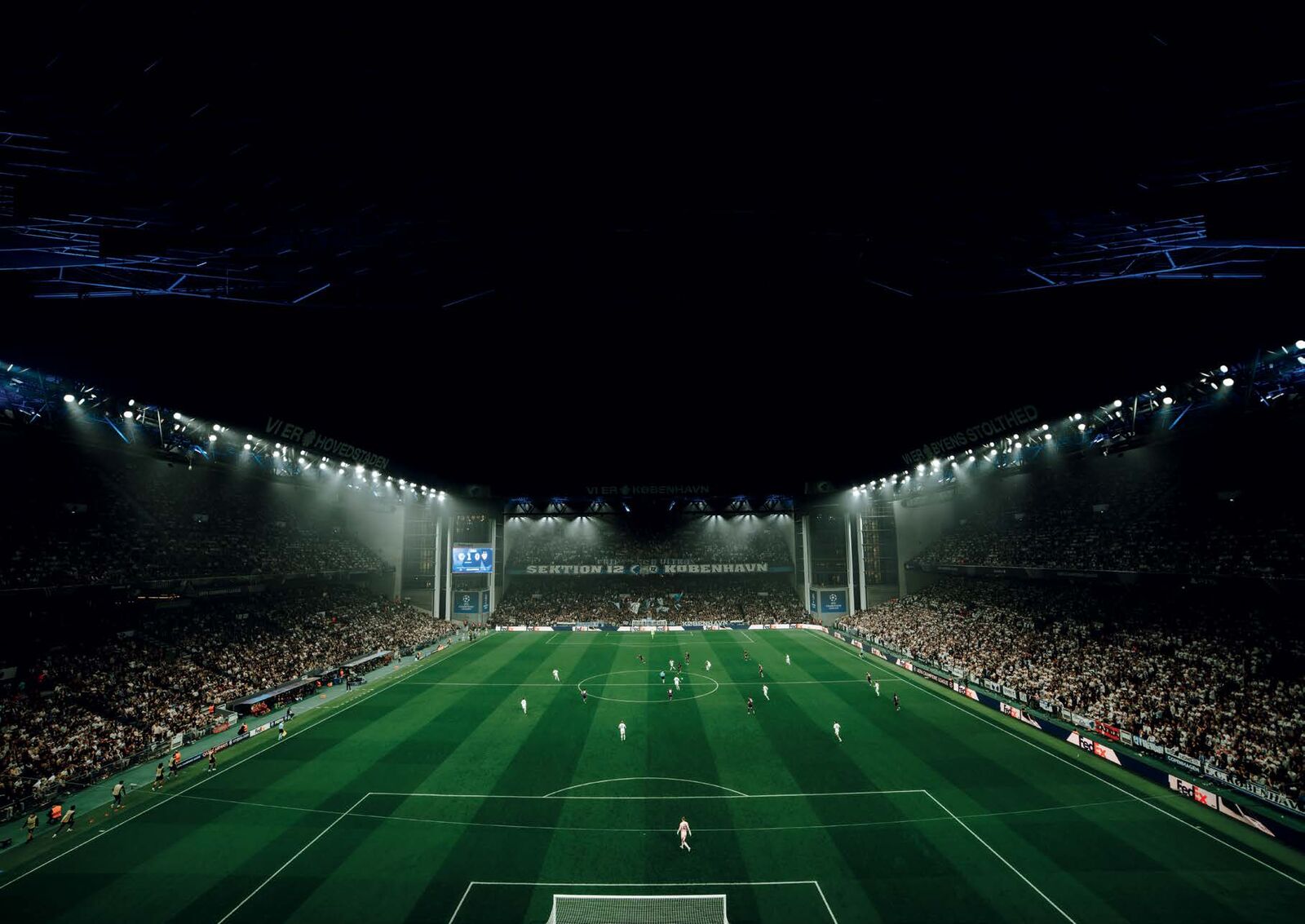
Our stadium-scale partnership with PARKEN Sport & Entertainment, documented in their 2025 annual report: Europe's first stadium-wide replacement of single-use plastic, a 30% reduction in waste per guest in year one, on the way to a 60% target for 2026.
The European Commission's Joint Research Centre published the most rigorous LCA work to date on plastics, biopolymers, and end-of-life. Read carefully, it supports several of the assumptions behind our model, including EN 13432, the single-bin scheme, and peat replacement.
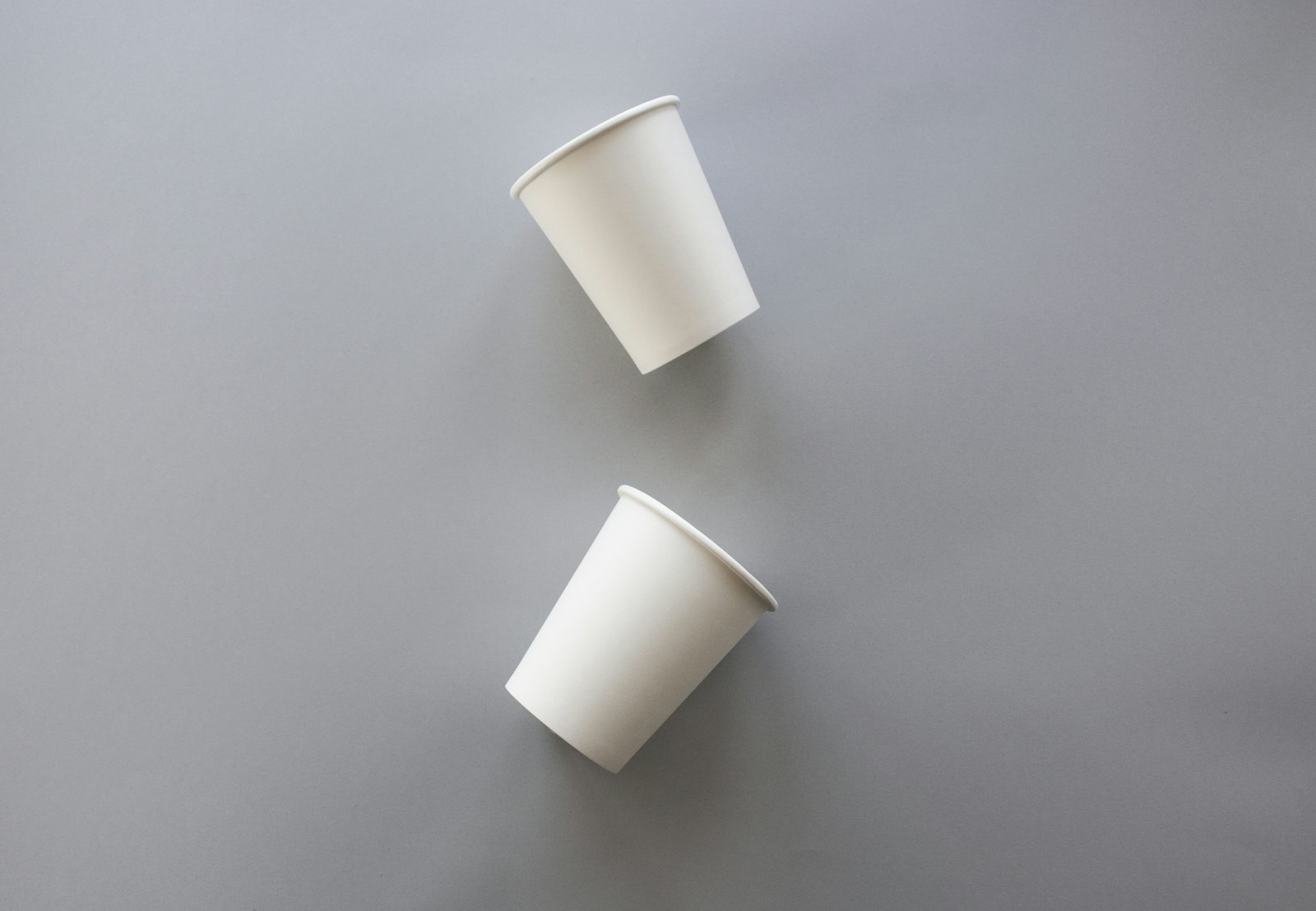
Rambøll just finished an independent cradle-to-grave life cycle assessment of our 600 ml PLA cup. The headline number is 36 g CO₂e per cup, and the honest version of that headline takes more unpacking than a sticker on the cup will allow.
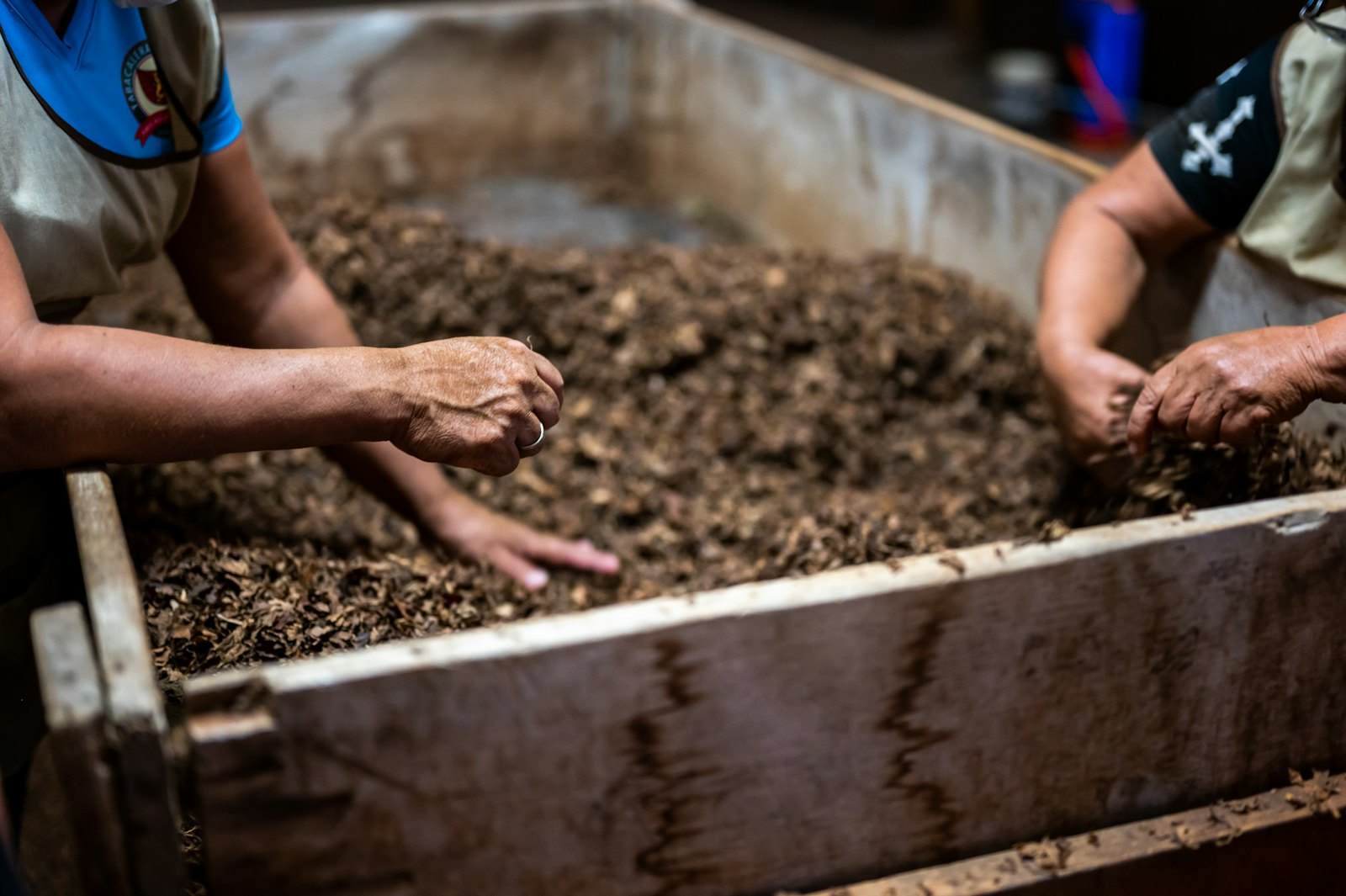
The label is being used as a halo. The science says otherwise. A careful look at the conditions PLA actually needs, why home-compost claims are misleading, and what the certification standards do and don't promise.
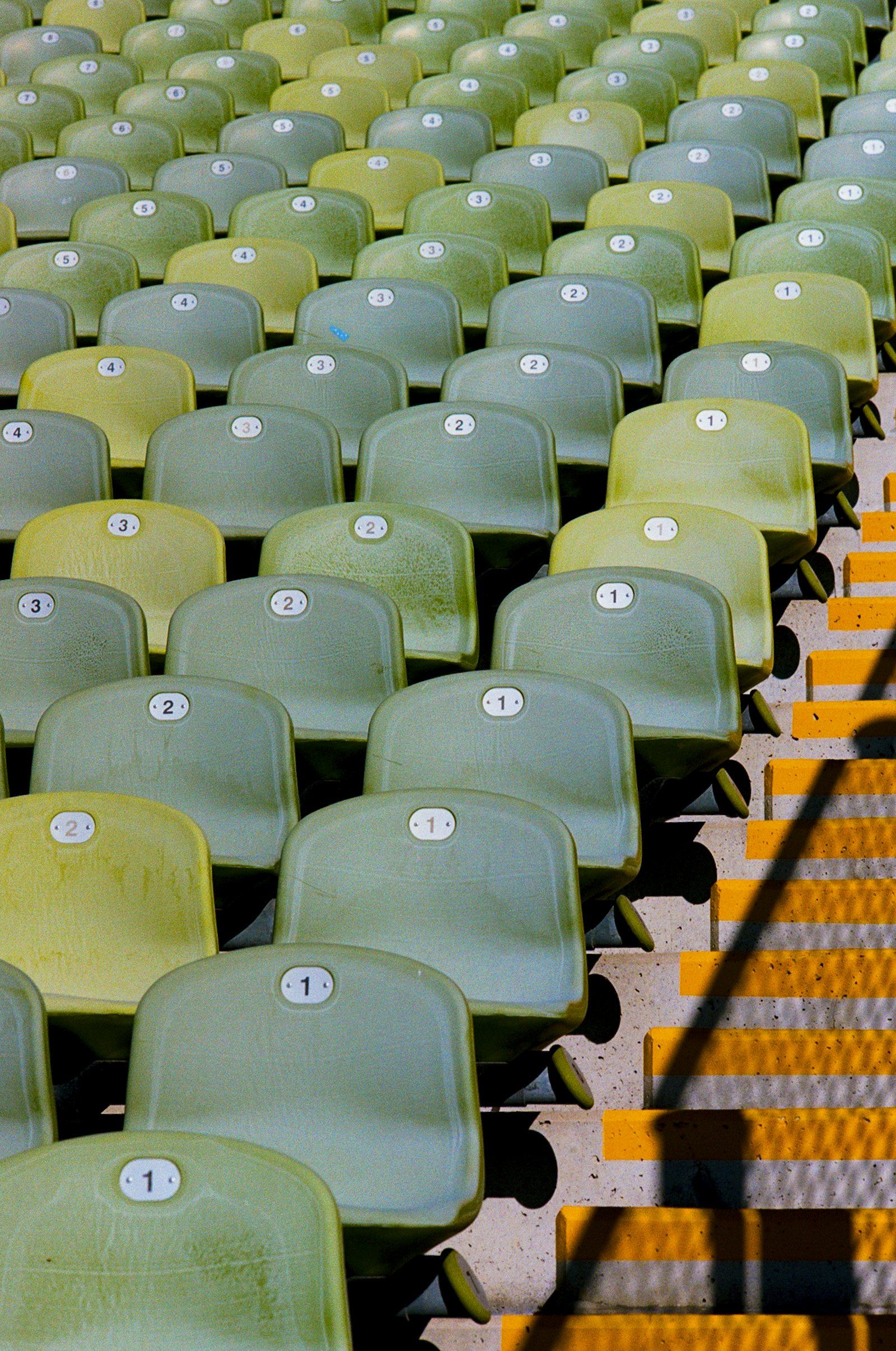
Following one match-day cup all the way through the system. Where it goes after the bin, what happens in the compost machine, and why the bag of compost a horticulturist eventually buys is the part of the story that should matter most.
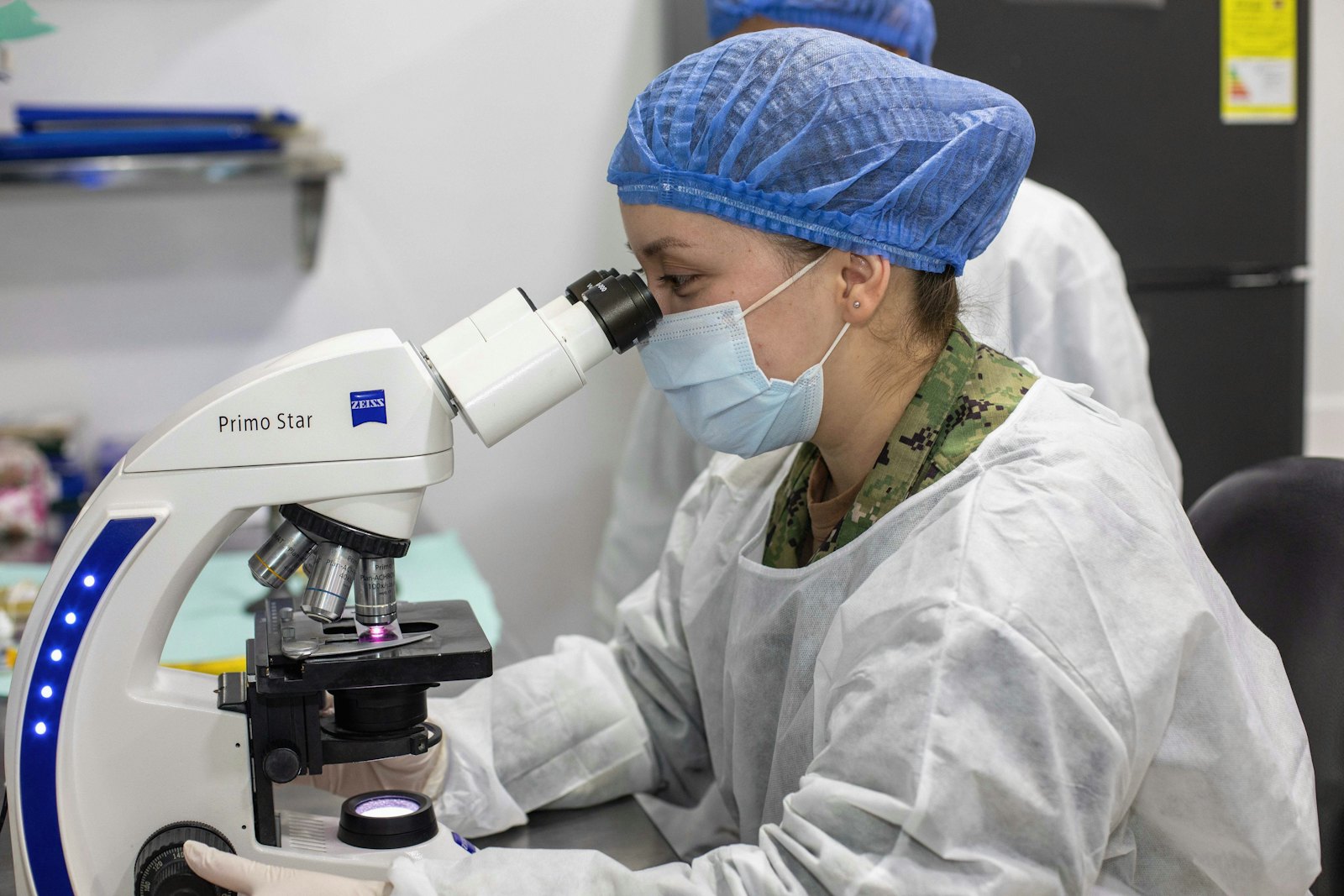
Most composts treat PLA as an unfamiliar substrate. The microbe library we've built isolates strains that handle it best and dosing them as active inoculant cuts batch time meaningfully. A short tour of the lab work behind the loop.

The conversation about plastic has gotten stuck on the molecule. The harder question is what happens at end-of-life, and that's a system question, not a chemistry question. Why we built the company around closing the loop instead of perfecting the polymer.
New posts publish roughly monthly. Want them in your inbox? Get in touch.
If anything in these posts lines up with work you're doing, venue operations, sustainability reporting, a procurement decision, drop us a note. We're as happy to debate as to deploy.