Blog · Climate impact
Our cup is 36 g of CO₂. Here's what that means.
Rambøll just finished an independent cradle-to-grave life cycle assessment of our 600 ml PLA cup. Now the harder work: explaining the number honestly.

Rambøll just finished an independent cradle-to-grave life cycle assessment of our 600 ml PLA cup. Now the harder work: explaining the number honestly.
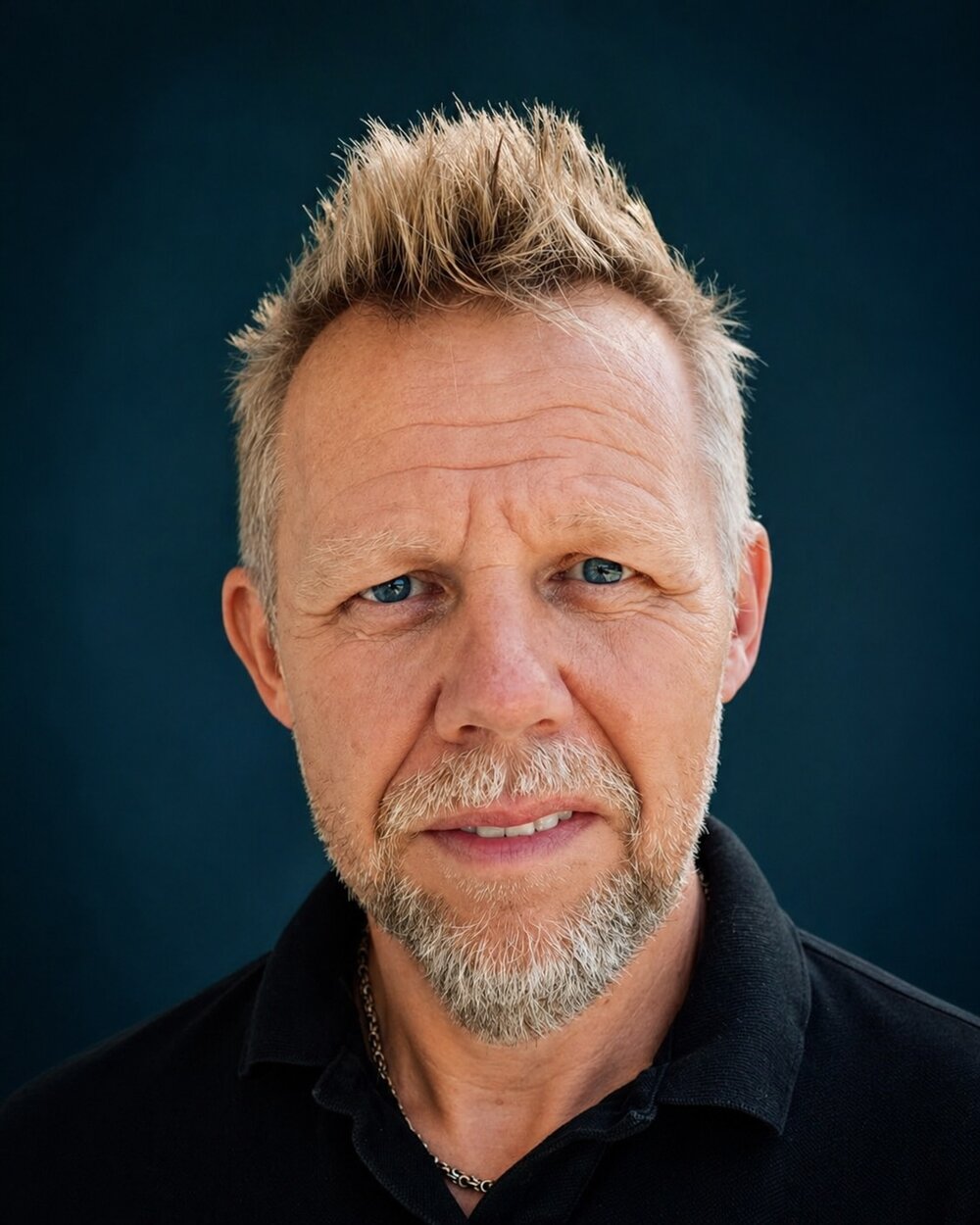
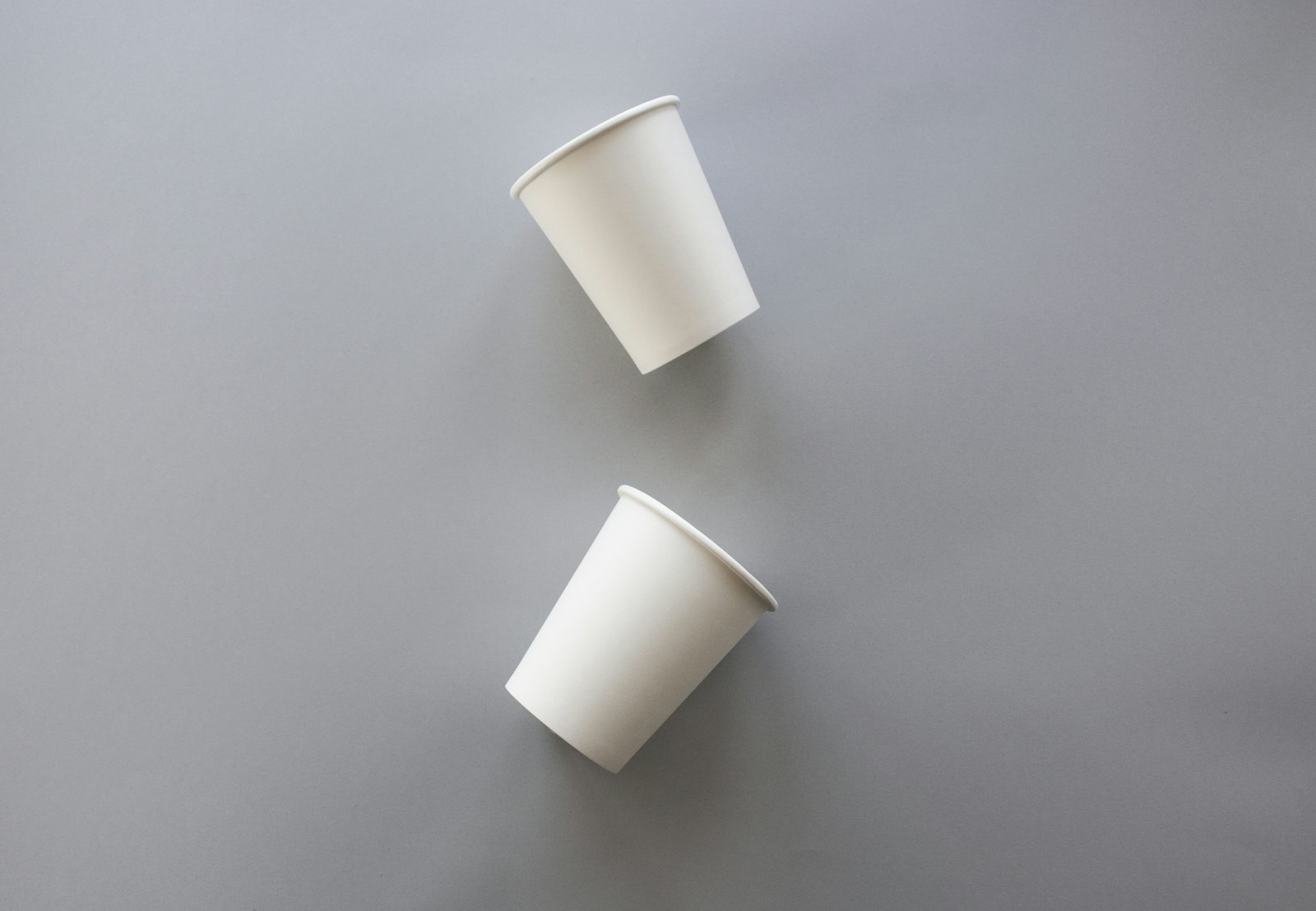
We commissioned Rambøll to run a full life cycle assessment on our standard 600 ml PLA cup, the one used at Carlsberg-branded events and stadium pours. The work followed ISO 14040/14044 and ISO 14067, used the European Environmental Footprint (EF 3.1) characterization method, and was led by Senior Consultant Morten Søes Kokborg with our own Project Manager Viktoria Blemings on our side. It's a B2B-grade study, not a marketing handout.
The headline number: 36 g CO₂e per cup, cradle to grave, 600 ml functional unit.
Below is what that actually means, including the parts that aren't flattering, because the only useful version of an LCA is one you can defend in front of a sceptic.
Rambøll's hot-spot analysis splits the 36 g into eight life cycle stages. Three of them dominate:
The remaining 10% is split across sugarcane cultivation, the production-side transport, the polymerisation step, and end-of-life. Industrial composting and packaging disposal together come to about 0.6 g per cup, under 2% of the total.
It's a carbon footprint. Specifically, it covers Global Warming Potential, the impact category from ISO 14067. It does not cover water use, eutrophication, human toxicity, biodiversity, microplastic load, or any of the other categories an ISO 14040/44 study can include. We chose GWP for this round because it's what most of our partners are asking about, and because layering on more impact categories would have meant a longer, costlier study without obviously helping the next decision.
It's also a cradle-to-grave figure. That matters because some bioplastic LCAs in circulation report cradle-to-gate (i.e. up to the factory exit) and quietly drop the transport, use, and end-of-life from the number. Comparing those headline numbers to ours is apples-to-oranges. We deliberately wanted the full lifecycle visible so the comparison is honest.
Rambøll's report flags something we should say out loud: even with PLA, even with industrial composting at end of life, this cup is participating in a single-use linear system. The only circular element in the chain is the nutrient return when the cup goes through composting, material isn't recycled into a new cup. That's a meaningful caveat. The cup is still better than its fossil-plastic competitor on most dimensions, but "better" is not "closed".
We took the report on the chin in that respect. The system we're building beyond the product, the on-site compost machine at Parken, the off-take to Jysk Muld, the peat replacement at the end, is what closes the rest of that loop. The cup itself, in isolation, doesn't.
A 36-gram cup is a useful number. The bag of peat-free compost it becomes is the part of the answer the LCA can't fully measure.Bjarke Rasmussen, Director, Europe
Rambøll's sensitivity analysis is the most actionable part. Two leverage points stand out:
With solar already contributing and chemical sourcing as the next conversation, the cup's footprint trends well below 30 g CO₂e per cup without changing the product itself. That's where the next round of work goes.
If you're a venue operator, caterer, or sustainability lead and you need a defensible per-cup number for your scope-3 reporting, 36 g CO₂e per cup is the number, with Rambøll's name on it. If you want to see the full report, the methodology, or the dataset evaluation, get in touch, we'll share it under NDA. The summary is published; the detail is for the people making procurement decisions on the back of it.
And if you're sceptical about a 36 g number being lower than the cup you used last year, good, you should be. Ask which standard, ask cradle-to-what, ask which background database, ask who reviewed it. Those are the right questions, and we have answers to all of them.
The Rambøll report is available to partners under NDA. Drop us a note via the contact page and we'll get it to you.