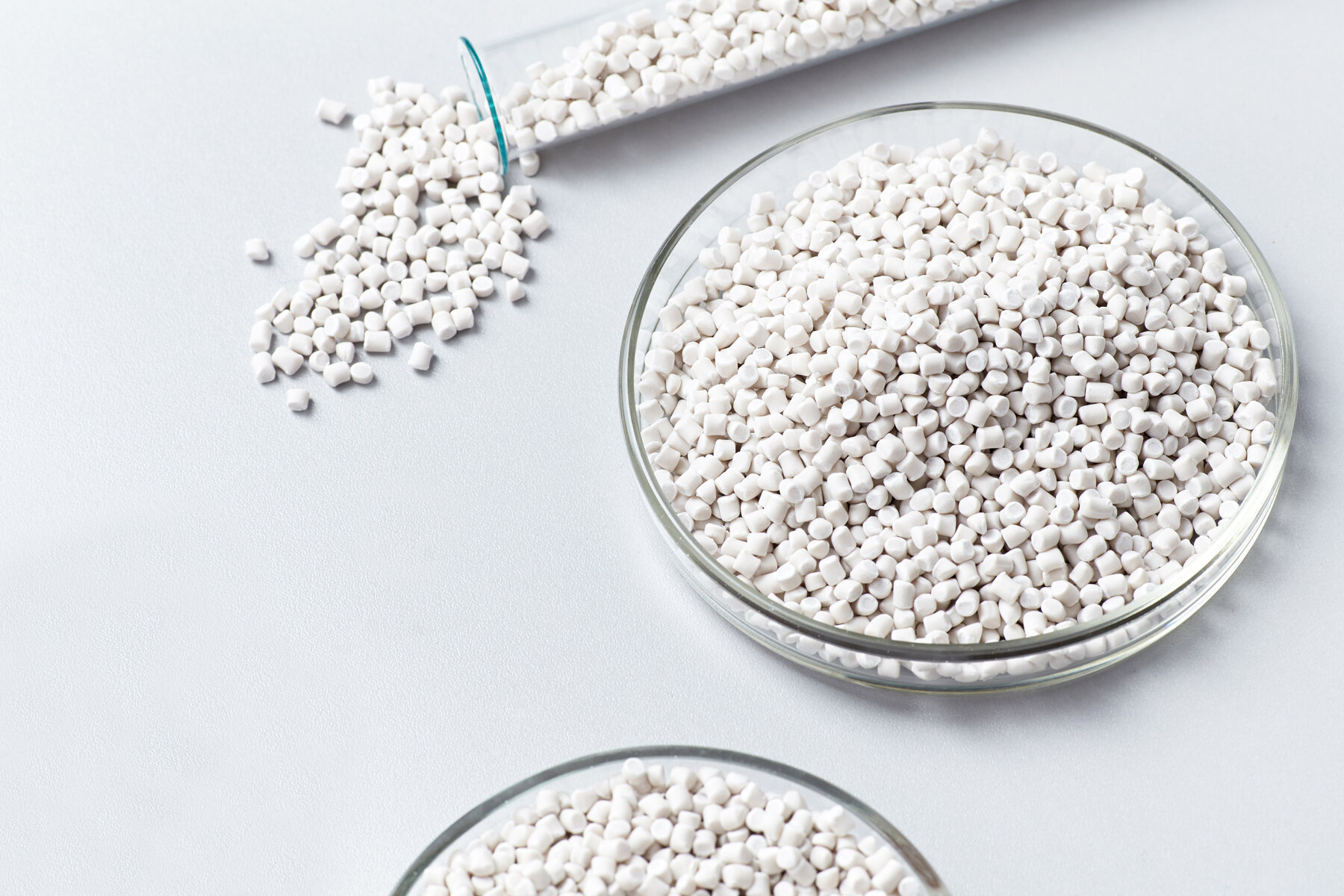
What PLA is
PLA stands for polylactic acid. It's a biopolymer, a long chain of repeating lactic acid molecules, derived from agricultural feedstocks rather than crude oil. Across most of its life cycle, PLA looks and feels like conventional plastic: it can be moulded, extruded, thermoformed, sealed, printed on, and stacked through standard food-service equipment.
What changes is the end of the story. Conventional plastic, even when collected, is most often incinerated or landfilled, and any leakage to the environment becomes microplastic that persists for centuries. PLA, in industrial composting conditions, breaks down through ordinary microbial activity into substances that re-enter the natural carbon cycle.
Why bio-compostable plastic, in plain words
Conventional plastics made from fossil fuels can remain in the environment for hundreds of years. Even with current recycling efforts, the majority of plastic waste is burned or buried. A meaningful share leaks into ecosystems, landfills, rivers, oceans, and breaks into macro- and microplastic that's dangerous to wildlife and humans alike.
Bio-compostable plastic is the most direct way to break that pattern. It's plant-based at the start. It's broken down by living organisms at the end. And, crucially, the breakdown product can be put to use as fertiliser instead of becoming pollution.
The honest part: PLA isn't magic
PLA needs the right conditions to compost, typically 50–60 °C and a few months of active microbial decomposition. In a backyard pile or worse, in an ocean, it doesn't break down meaningfully. That's why a "compostable" claim only matters if there's a system designed to capture and process the material under industrial conditions.
Closed-loop systems are crucial for bio-compostable plastics. When they end up in conventional linear waste, their ability to degrade is limited.Dr. Shu Yuan Yang, Director of Research, GRØNBLÅ
Our entire business model is built on closing that gap. The product on your tray is one half of the story; the compost machine in the back of the venue is the other half.
Faster decomposition, by design
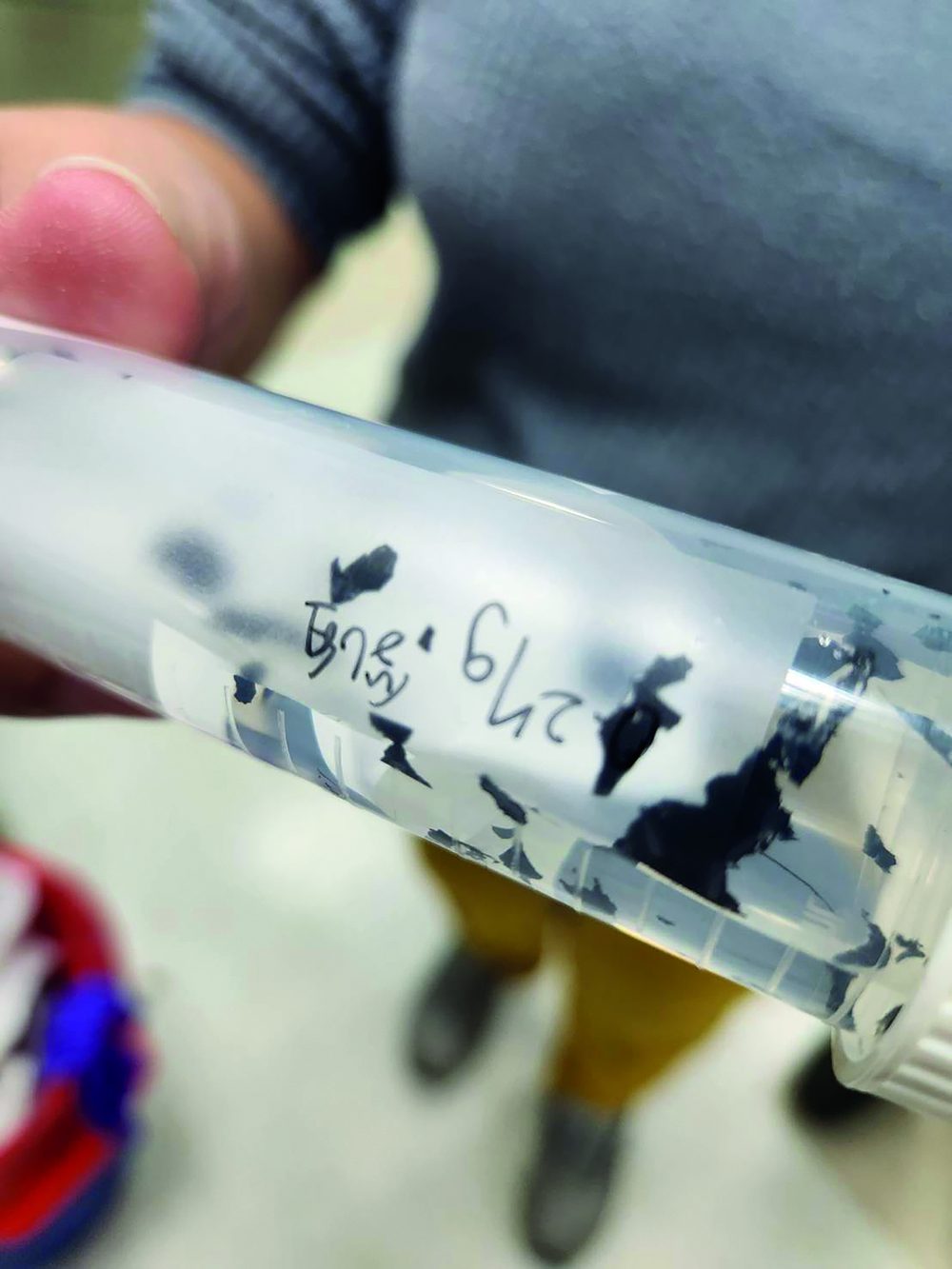
Even with the right industrial conditions, standard composts treat PLA as an unfamiliar substrate, most of the microbes inside aren't well-equipped to digest it. Our research lab has been training cultures on PLA specifically, isolating the bacterial strains that handle it best, and dosing them into our compost machines as an active inoculant. The result is a meaningfully shorter batch and less unbroken-down PLA passing through to maturation.
Read more about our PLA-trained microbe library →