Parken and GRØNBLÅ: closing the loop at stadium scale, 30% less waste per guest.
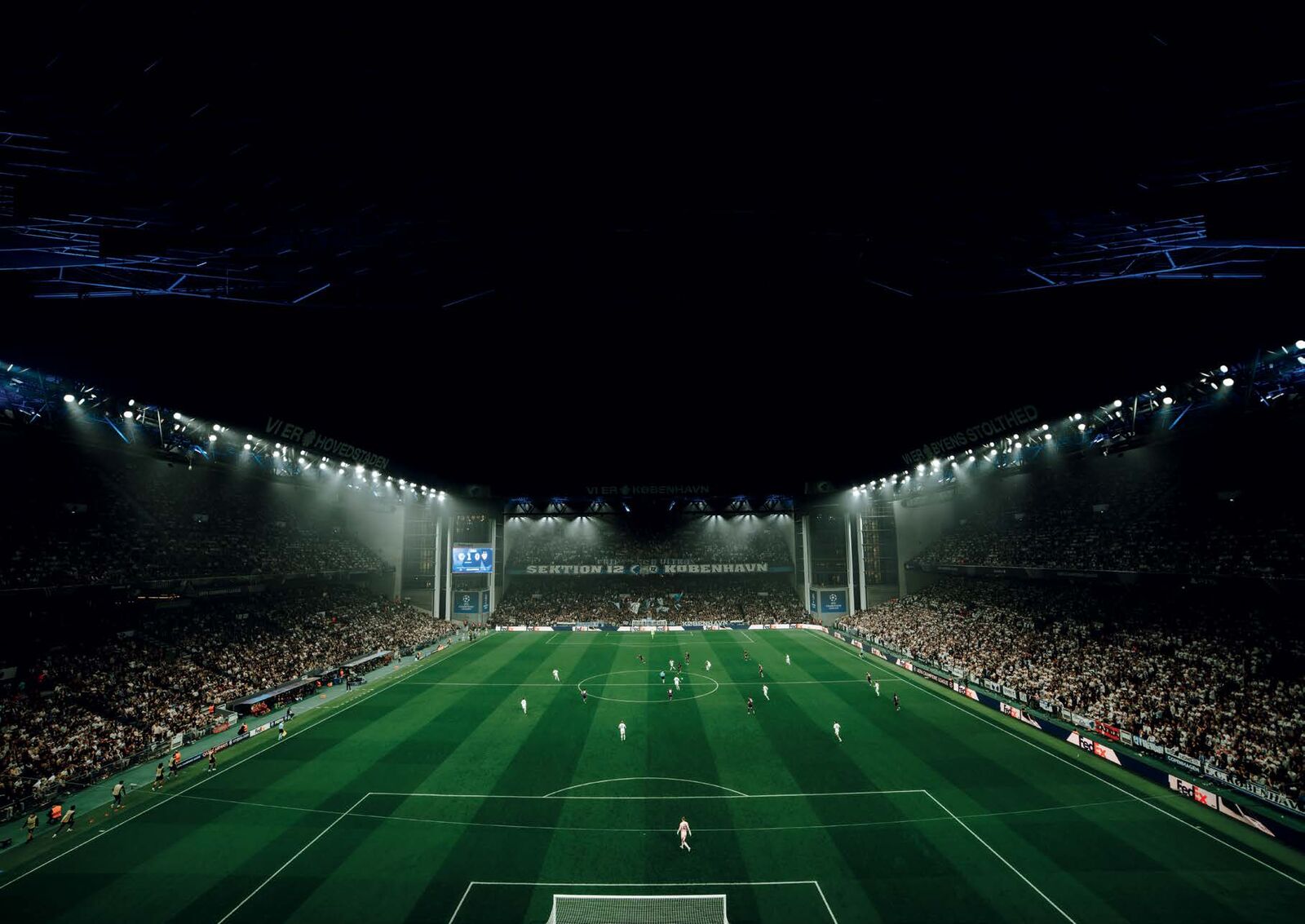
We partnered with PARKEN Sport & Entertainment to put the full GRØNBLÅ closed loop to work across an entire stadium. Parken's 2025 annual report documents the first year: a 30% reduction in waste per guest, on the way to a 60% target for 2026.
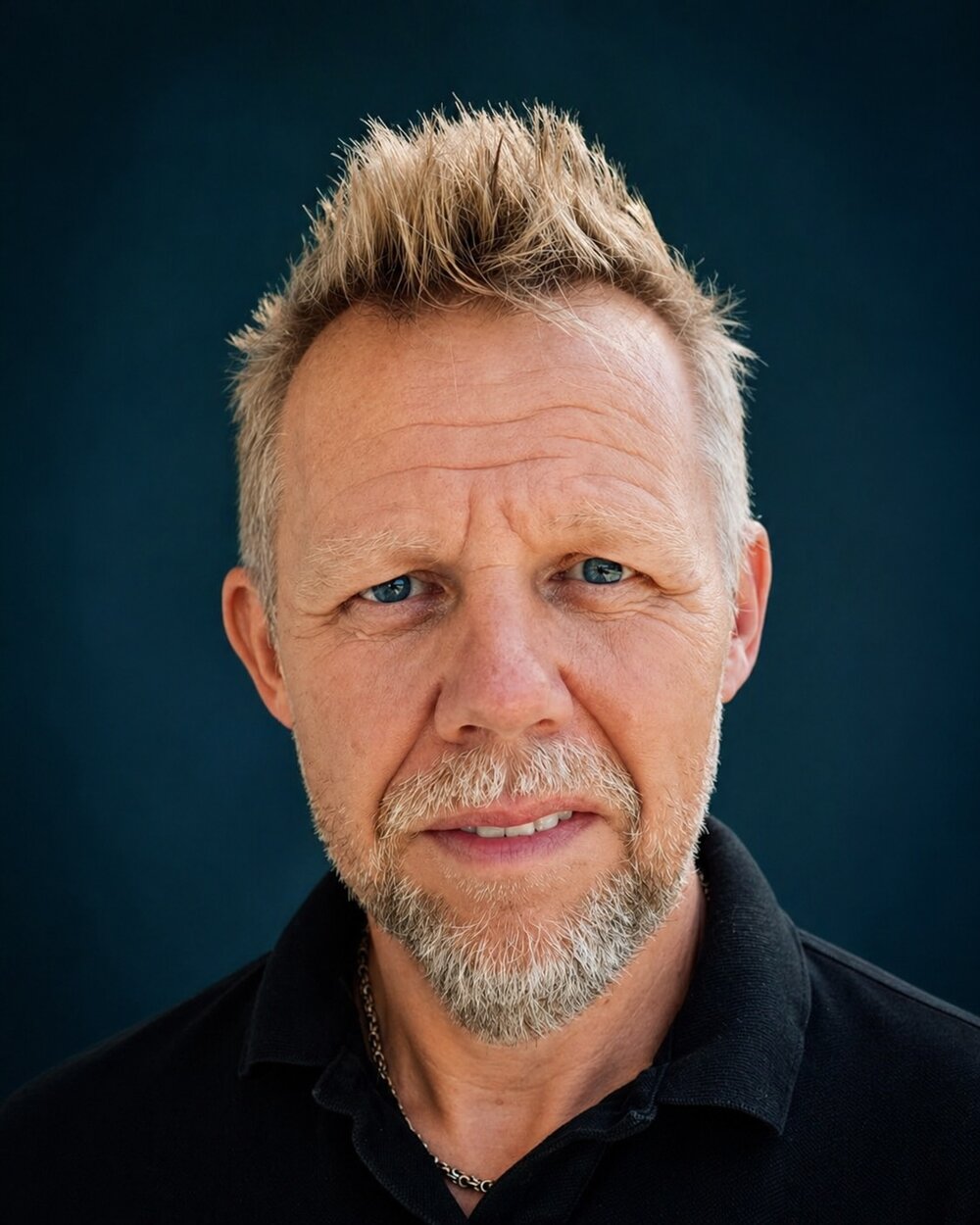
Bjarke Rasmussen, Co-founder & Director, Europe
Posted 2026-05-14 · 5 min read
Photo from PARKEN Sport & Entertainment Annual Report 2025.
Parken set out the first-year result on page 76 of its 2025 annual report, in the CSRD section covering E5-3 ("targets relating to resource use and circular economy"):
As the first stadium in Europe, F.C. København & Parken has in 2025 implemented measures that contribute to converting all single-use plastic (beer cups, serviceware, etc.) at Parken to bio-compostable plastic, which decomposes into soil that is subsequently used for soil improvement by an external supplier. This is done in partnership with GrønBlå A/S.PARKEN Sport & Entertainment, Annual Report 2025
First stadium in Europe, and Parken chose to do it with us. The language is audit-grade because the result is: measured per guest, reported under CSRD.
The number that matters
The report goes further than just naming the partnership. It puts a measured number against the target:
Reduction in waste at event execution per guest:
2024 (baseline)
0%
2025 (achieved)
30%
2026 (target)
60%
Thirty percent less waste per guest, year one. The 2026 target is to double that.
The denominator matters: this is waste per guest, not gross tonnage. Parken hosted just over one million guests in 2025. A 30% per-guest reduction at that scale is real material being kept out of incineration, and, on our side, real biomass being routed back to soil instead.
How we got here
Two things made the number possible. First, the products: every beer cup, lid, tray, and piece of serviceware at the GRØNBLÅ-served counters is certified bio-compostable PLA. Same form factor, same feel, same throughput as the conventional plastic the venue replaced. Concession crews didn't have to learn a new workflow.
Second, the system behind the products: two in-vessel compost machines at the back of the stadium, our PLA-trained microbe cultures dosed into each batch, hygienisation every fifth day, and pickup by Jysk Muld, part of RGS Nordic, for final maturation. (We wrote about the full chain in the Parken-to-soil post.)
Crucially, this isn't a "we recycle on average X%" story. It's a per-event, per-guest measurement, tracked in the company's CSRD framework, calculated by dividing total event-related waste in tonnes by the total number of registered guests at Parken in the period. That methodology is in the report. So is the audit.
What the partnership proves at scale
GRØNBLÅ was built on a simple principle: compostable products only matter if there is a system to receive them. Parken was the partner ready to prove that principle at full stadium scale, and the first-year numbers show it holds, measured per guest and reported under CSRD.
What the first year shows:
The system works at stadium scale. Parken is not a small venue. If the loop closes here, it closes most places.
It works on a measurable per-guest basis. Not gross tonnage shifted between buckets, actual reduction at the level the customer experiences.
It works in year one. 30% is a credible starting figure for a real operational shift, not the kind of number you get from baseline gaming.
The 60% 2026 target is plausible. The remaining gap is the SKUs that aren't yet converted (some service categories phase in later). The path to 60% is operational rollout, not technology risk.
What this changes for the conversation
When we sit down with a stadium operator, festival director, or hospitality group, the first question is almost always: has anyone actually done this at scale, and can I see the numbers?
We can point them to Parken's own CSRD reporting: page 76, E5-3.
It moves the conversation from whether the loop can close at stadium scale to how fast a venue wants to get there.
Parken didn't just switch to compostable cups. They committed to closing the loop at stadium scale, and documented the result in their annual report. That is the kind of partner this system is built for.Bjarke Rasmussen, Director, Europe
A note on what the report doesn't say
The report is careful, appropriately, about not over-claiming. It states the rollout will be fully implemented in 2026, not that it already is. It distinguishes between the 30% achieved and the 60% target. The waste-per-guest figure is presented as a percentage reduction, not as absolute tonnes, because absolute tonnes change with the number of events and guests.
We like all of that. The temptation in this category is to round up, to compare apples and oranges, to claim more than the system has yet delivered. PARKEN didn't, and that's part of why the number reads as solid.
For the venues we haven't worked with yet
If you run a venue and want to close the loop at your scale, get in touch. We'll share the relevant pages of Parken's report, walk you through what the per-guest math looks like at your size, and tell you honestly whether the system fits your operation.
The system was built to close the loop at scale. Parken is where we are proving it, season by season.